
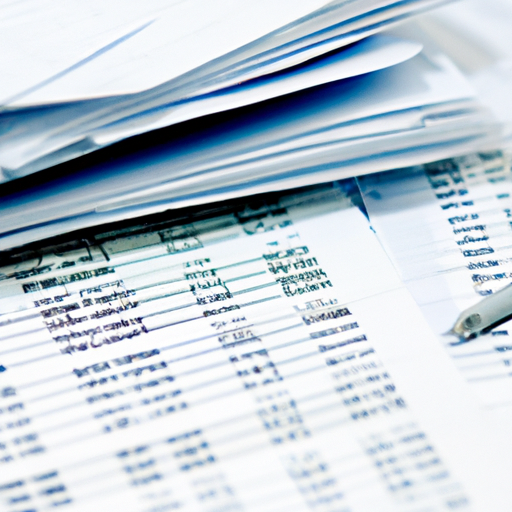
In the world of business, understanding and analyzing your bilan comptable is essential for success. A bilan comptable, or balance sheet, provides a snapshot of your company's financial health and performance at a given moment in time. In this article, we will explore the importance of a bilan comptable for your business, the key components of a successful analysis, and provide tips for improving your company's bilan comptable performance. By mastering the art of bilan comptable, you can make informed decisions and drive your business towards greater financial success.
- 1. Understanding the Importance of a Bilan Comptable for Your Business
- 2. Key Components of a Successful Bilan Comptable Analysis
- 3. Tips for Improving Your Company's Bilan Comptable Performance
1. Understanding the Importance of a Bilan Comptable for Your Business
A bilan comptable, or balance sheet, is a crucial financial document that provides a snapshot of a company's financial health at a specific point in time. It outlines a company's assets, liabilities, and equity, giving stakeholders a clear understanding of the company's financial position.
Having a bilan comptable is essential for businesses of all sizes as it helps in making informed decisions about the company's future. It provides valuable insights into the company's financial stability, liquidity, and overall performance. By analyzing the balance sheet, business owners and investors can identify potential risks, opportunities for growth, and areas that need improvement.
Additionally, a bilan comptable is often required by lenders, investors, and other stakeholders when making financial decisions or assessing the company's creditworthiness. It serves as a key tool for evaluating the company's financial strength and credibility.
In conclusion, understanding the importance of a bilan comptable for your business is crucial for maintaining financial transparency, making informed decisions, and building trust with stakeholders. Regularly preparing and reviewing your balance sheet can help ensure the long-term success and sustainability of your business.
2. Key Components of a Successful Bilan Comptable Analysis
A successful bilan comptable analysis involves examining key components to gain a comprehensive understanding of a company's financial health. The key components include assets, liabilities, and equity. Assets are the resources owned by the company, such as cash, inventory, and property. Liabilities are the company's obligations, such as loans and accounts payable. Equity represents the company's net worth, calculated by subtracting liabilities from assets.
Additionally, it is important to analyze the income statement and cash flow statement to assess the company's profitability and liquidity. The income statement shows the company's revenues and expenses over a period of time, while the cash flow statement tracks the flow of cash in and out of the company. By analyzing these statements along with the balance sheet, analysts can evaluate the company's financial performance and make informed decisions.
Overall, a successful bilan comptable analysis involves a thorough examination of a company's financial statements to assess its financial position and performance. By analyzing key components such as assets, liabilities, equity, income statement, and cash flow statement, analysts can gain valuable insights into the company's financial health and make informed decisions.
3. Tips for Improving Your Company's Bilan Comptable Performance
Improving your company's bilan comptable performance is crucial for ensuring the financial health and success of your business. Here are some tips to help you enhance your bilan comptable:
1. Keep accurate and up-to-date financial records: Maintaining detailed and accurate financial records is essential for preparing an accurate bilan comptable. Make sure to record all transactions, expenses, and revenues in a timely manner to avoid any discrepancies or errors in your financial statements.
2. Monitor your cash flow: Cash flow management is key to a healthy bilan comptable. Keep track of your incoming and outgoing cash flow to ensure that your business has enough liquidity to meet its financial obligations. Analyze your cash flow regularly and make necessary adjustments to improve your financial performance.
3. Reduce your debt and increase your assets: A strong bilan comptable typically includes a low level of debt and a high level of assets. Focus on reducing your debt by paying off loans and credit lines, and aim to increase your assets by investing in profitable ventures or expanding your business. A healthy balance between debt and assets will improve your company's financial stability and performance.
By implementing these tips, you can enhance your company's bilan comptable performance and position your business for long-term success. Remember to regularly review and analyze your financial statements to identify areas for improvement and make informed decisions for the future of your business.